
Why Does My Dog Only Listen In Training?
Published
Updated
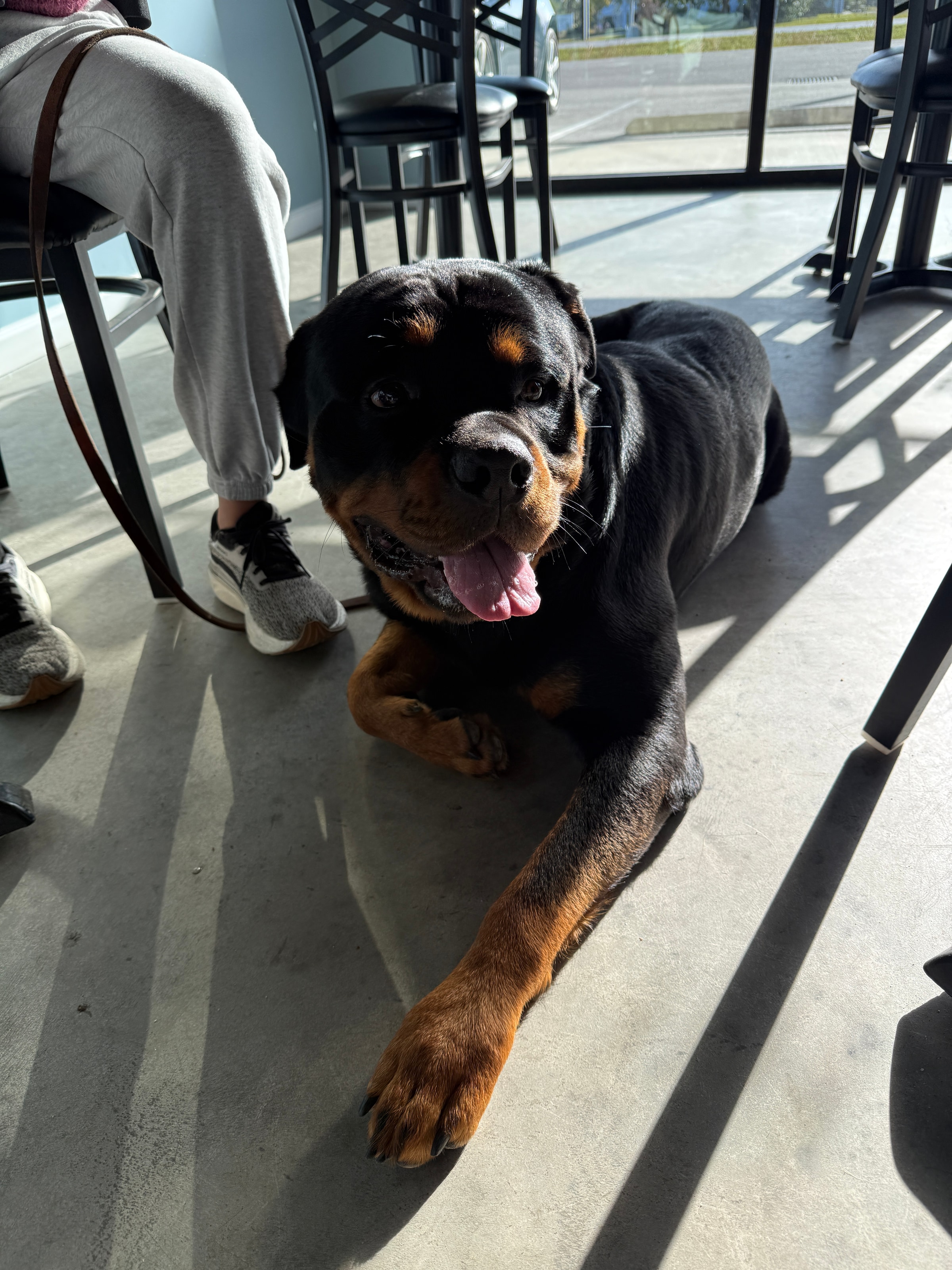
Your dog usually is not ignoring you because they are stubborn. Most of the time, they listen during training and fall apart later because training has become its own little world, and your everyday life has different rules. If you want better follow-through, you do not need longer sessions. You need to start using ordinary moments, doorways, meals, crate exits, and walks, as part of training.
A dog does not separate formal practice from real life the way we do. They are always learning what works. If charging through a door works, they will repeat it. If checking in with you before getting what they want works, they will repeat that instead. That is why everyday leadership matters so much. It gives you far more useful repetitions than a five minute session ever could.
What should I do in everyday moments?
Start asking for something small before access to the things your dog already wants. Eye contact, a pause at the threshold, or a calm moment before food can all work.
This is not about dominating your dog or making them earn every breath. It is about becoming the clear path to good things. Going outside is valuable. Getting out of the crate is valuable. Moving through a doorway is valuable. Instead of giving those away while your dog is frantic, pause and let calm behavior open the door.
That simple pattern changes a lot. Your dog starts learning that paying attention to you makes life happen. That is engagement, and it is one of the biggest gaps I see when owners tell me, “My dog is great in training, but not in real life.” If you are not sure where your biggest gap is, start by finding your training gap with the free quiz.
I also want you rewarding the good choices your dog offers on their own. If your dog settles quietly, checks in with you, or pauses instead of rushing, acknowledge it. Praise matters here. So does timing. The more you catch those choices, the more your dog starts making them without being told.
Why does my dog seem to know it, then ignore it?
Usually because the command is clear in one context, but your expectations are not clear or consistent everywhere else.
A lot of dogs are not blowing you off. They are reading the pattern. Maybe they only have to listen when treats are out. Maybe they only have to hold a down during a session, but never during dinner. Maybe they can do a behavior in the living room, but the second the environment gets harder, the skill falls apart.
That does not always mean your dog is being defiant. Sometimes it means you trained college-level expectations in a kindergarten-level way. Dogs need success in easier settings before you expect reliability in harder ones. If they are struggling, make it a little easier, often by adding distance from the distraction, rather than bailing them out completely.
It also means looking at your own consistency. If something is allowed today, then punished tomorrow, that is confusing. Clear rules make life easier for dogs. If you decide the rules need to change, prevent access to the old habit while you teach the new one. That is much fairer than suddenly getting frustrated at behavior you used to allow. This is a big part of why why dogs need structure at home matters so much.
One more piece that owners miss, your dog may be following your body language more than your words. If you always pair a command with a gesture, then later use the word by itself, your dog may not actually understand what changed. That is not stubbornness. That is a communication problem.
Good leadership is calm, consistent, and one step ahead. It does not require anger. It does require follow-through. If you ask for a known behavior, be ready to guide your dog to the right answer every time. Commands mean something when you protect their meaning.
For the next three days, pick two daily routines and tighten them up. Crate exit and feeding time are great places to start. Make them calmer, clearer, and more consistent. Do not add a bunch of new commands. Just improve how you handle what already happens every day.
If you want help turning that into a plan for your dog, you can book a 1-on-1 consult.