
How Do I Calm My Dog Before Guests Arrive?
Published
Updated
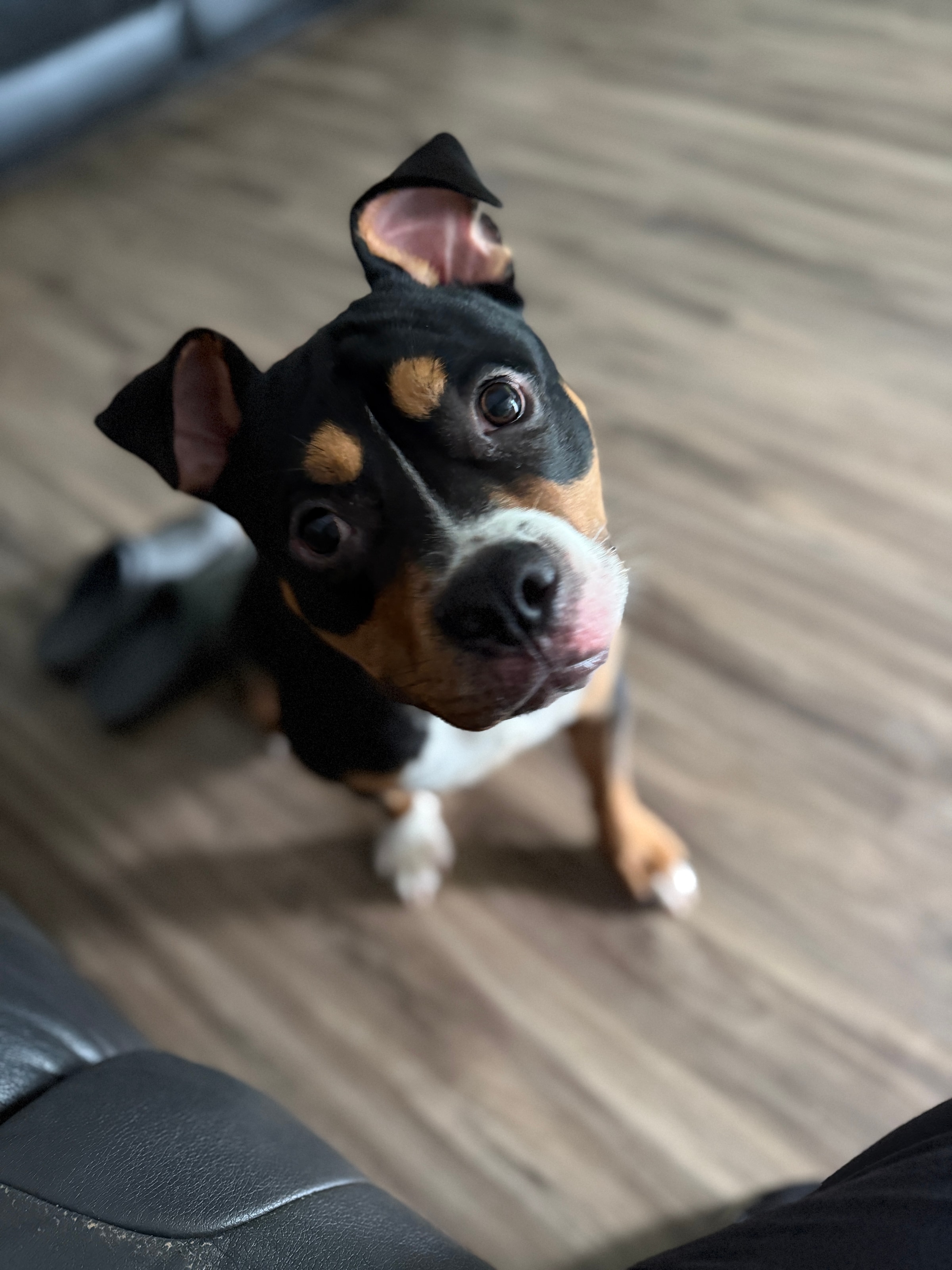
Picture this. The doorbell rings, you reach for the handle, and your dog is already spinning, barking, and trying to beat you to the door. If you want that to change, the answer is not telling your dog to stop in the moment. You need to train the routine before guests ever arrive, and you need clear structure around the door.
Most guest problems are not really about the guest. They are about anticipation, weak boundaries, and a dog that has learned the front door predicts excitement.
Why does my dog get so worked up before anyone even comes inside?
Right away, the front door starts stacking stimulation. The sound of someone walking up, the knock, the doorbell, your own energy changing, all of it builds arousal before the guest ever steps in.
That is why so many owners feel like their dog was "fine" and then suddenly was not. The dog was not suddenly making a random choice. The dog was moving through a predictable chain of excitement.
On top of that, a lot of dogs have a reinforcement history around the door. The bell rings, someone exciting appears. The knock happens, attention follows. Dogs repeat what works, and if chaos has worked before, they will keep trying it.
What should I train before I practice with real guests?
Train the door routine without guests first. That means working on threshold manners and a clear place routine before you expect success during a real arrival.
I want the dog to understand there is a boundary around the front door. A simple version is keeping your dog three to four feet back instead of allowing them to crowd the threshold. That alone reduces the odds of getting rushed when you crack the door open.
I also want a dog who can stay in position with duration, distance, and distraction already built in. If your dog can only hold place for a few seconds while you stand nearby, they are not ready for the front door yet. This is where structure matters, and if you want a bigger picture on that, read Why Dogs Need Structure At Home.
You can rehearse this without anyone there. Walk to the door. Open it. Talk like somebody arrived. Close it. Reset. If someone lives with you, have them ring the bell when they get home so you can practice the routine in real life.
If you are not sure which piece of training is missing, start by finding your training gap with the free quiz.
What should I do when the guest actually comes in?
Have the dog in position before the door opens, and have the guest ignore the dog at first. Calmness should earn access, not excitement.
This is where owners often lose the moment. The guest comes in, talks to the dog, reaches down, makes eye contact, and now the dog is fully committed to being wild. Even pushing the dog away can add fuel, because physical contact is still attention.
Instead, bring the guest in and ask them to sit down or stand quietly for the first few minutes. No touching, no excited voice, no staring at the dog. Give your dog time to settle and get bored with the idea that the guest is there.
Only then should you consider releasing the dog to say hello.
What if my dog breaks position or I know they are not ready?
Reset calmly, or use more management. Do not wait for the dog to fail over and over.
A crate, tether, or drag leash can create clarity when your dog is not mature enough or trained enough to make good choices yet. That is not punishment. It is structure. It prevents rehearsal while you teach a better pattern.
If your dog is still learning crate skills, you may also want to read How To Crate Train A Dog Without Causing Anxiety.
And if you do correct a known break, keep it unemotional. Commands should mean something, but accountability only belongs after the dog understands the job.
What if my guests will not help?
Set the situation up differently. Do not let other people train your dog into bad habits.
If you know someone is going to ignore your rules and immediately hype your dog up, have the greeting happen outside first, then come indoors and make inside the calm part. That is not perfect, but it is better than letting your dog connect houseguests with instant chaos in your living room.
The bigger point is this. Hospitality with dogs is trained, not wished into existence. If you build the routine before the pressure is on, keep the door predictable, and stop rewarding the explosion, your dog can learn that guests arriving is just another normal part of life.
If you want help building that routine step by step, you can book a 1-on-1 consult.