
Should My Dog Sleep In My Bed Or In A Crate
Published
Updated
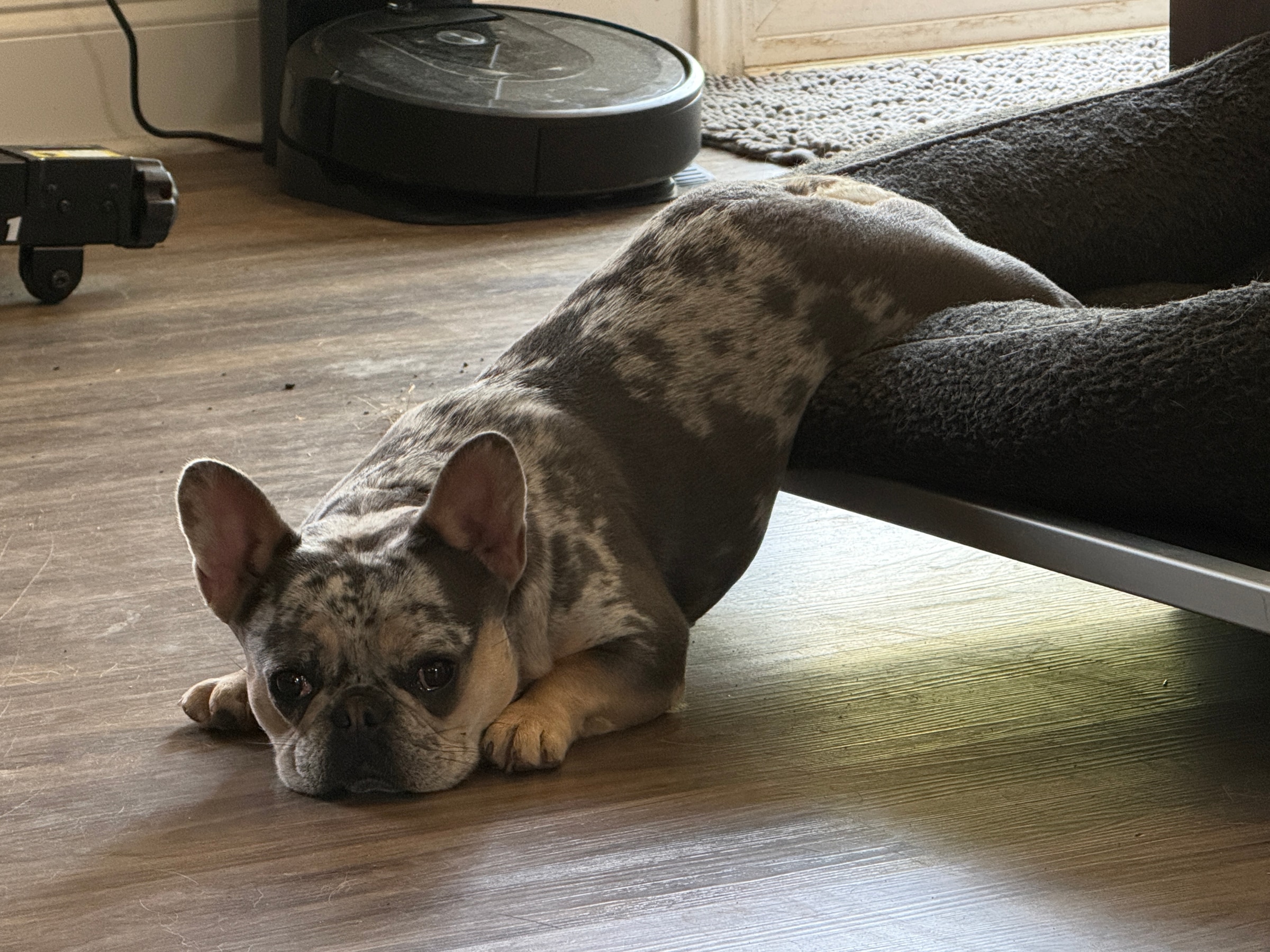
A lot of people assume the real question is whether letting a dog sleep in the bed is bad. I do not look at it that way. The bed itself is usually not the issue. The bigger issue is what access to the bed is teaching your dog about boundaries, freedom, and whether your rules actually mean anything.
That is why my answer is usually, it is fine until it is not.
If your dog can sleep in the bed, get off when asked, settle somewhere else when needed, and show no signs of guarding, pushiness, or dependency, that arrangement may be totally workable. But if bedtime comes with tension, clinginess, growling, refusal to move, or family inconsistency, then where your dog sleeps starts to matter because it is tied to a bigger training problem.
The bed is not the problem, entitlement is
Dogs do not usually get in trouble because of one piece of furniture. Problems show up when access becomes unconditional and the dog starts to believe, "This is mine, and I decide what happens here." That can look dramatic, like growling over space, or subtle, like a dog that regularly ignores you, resists being moved, or acts offended when you set a limit.
That is not a sleeping problem. That is a structure problem.
When I see behavioral issues in the home, I often find a dog with too much freedom and not enough clarity. Sleeping in the bed can become part of that picture, especially if the dog already struggles with boundaries in other areas. If this idea sounds familiar, read more about why dogs need structure at home. Freedom has to match the dog’s reliability.
A simple test helps here. If your dog is on the bed or couch and you ask them to get off, can they do it willingly and without conflict? They should. If asking your dog to move creates tension, stalling, growling, barking, or a standoff, that is a red flag. At that point, the furniture is no longer neutral. It has become part of a relationship issue.
What sleeping arrangements can reveal
Bedtime has a way of exposing things owners miss during the day. A dog that has to be glued to you every night may not just be affectionate. Sometimes that dog has poor impulse control, weak independence, or trouble settling alone. If your dog cannot relax unless they are physically attached to you, I would pay attention to that.
Can your dog sleep anywhere else?
That question matters more than whether they are allowed on the bed. A dog that can sleep in the bed sometimes, in a crate sometimes, and on a dog bed sometimes usually has flexibility. A dog that can only sleep pressed against you may be showing dependency. That is where I start asking harder questions about confidence, routine, and whether the dog has learned how to settle on their own.
This is also why I do not like owners bouncing back and forth with no plan. One night the dog is invited up, the next night they are banned, then one family member allows it and another does not. That mismatch creates confusion. Dogs thrive on predictable rules. If the expectation keeps changing, the dog is left guessing, and confusion often opens the door to behavior issues.
Why crates help, even if your dog sometimes sleeps with you
A crate is not punishment. Used correctly, it gives a dog a routine, a secure resting spot, and practice being calm without full access to the whole house. In my training philosophy, structure removes uncertainty. The crate is one of the clearest structure tools you have.
It also teaches an important life skill, settling alone.
That matters far beyond bedtime. Dogs that are comfortable in a crate are easier to manage when guests come over, when you travel, when there is an emergency, when the dog is sick, or when you simply cannot supervise. A crate gives you options. And options matter.
The goal is not to make the crate feel negative. The goal is to make it neutral or positive. Feed in it. Play crate games. Let the dog learn that going in there predicts safety and downtime, not isolation and panic. Then, when the dog is in the crate, give them the chance to settle and discover that nothing bad is happening.
If you are not sure whether your dog’s struggles are really about the crate or about a missing foundation somewhere else, start by finding your training gap with the free quiz.
Rules matter more than location
I would much rather see a dog sleeping in the bed under clear rules than a dog sleeping in a crate while chaos runs the rest of the house. The location is not the whole story. The surrounding pattern is.
Here is the standard I care about. Your dog should be able to move off furniture when asked. Your dog should be able to rest in a different location when needed. Your dog should not become demanding or anxious at bedtime. And everyone in the home should handle the rules the same way.
If those pieces are missing, changing the sleeping arrangement may be one useful part of fixing the bigger issue.
For some owners, a middle ground works well. A designated dog bed on or near the furniture can help create a defined resting spot without turning the whole couch or bed into open territory. Dogs notice spatial boundaries. Giving them a specific resting area can make expectations clearer, especially in households where people are trying to compromise.
A practical way to evaluate your setup
Take an honest look at your dog’s bedtime routine for the next few nights.
Notice whether your dog can settle away from you. Notice whether they can be asked off furniture without resistance. Notice whether bedtime creates calmness or dependency. If your dog sleeps on furniture, practice the boundary, ask them up, ask them off, and reward calm compliance. The goal is flexibility, not restriction.
And if your dog does not know those cues yet, teach them. Clear commands matter. Dogs do better when they know exactly what is being asked and your follow through stays consistent.
If you are seeing guarding, conflict over space, or a dog that acts like rules change depending on who is home, I would stop treating it like a small quirk. That is the kind of pattern that tends to spread into other parts of life. If you need help sorting through that bigger picture, booking a 1-on-1 consult can help you get specific about what needs to change.
Letting your dog sleep in the bed is not automatically good or bad. What matters is whether that freedom is earned, whether your dog can handle limits, and whether your home feels calmer because of the arrangement, not more stressful. That is the standard I would use.