
How Do I Stop My Dog Digging Holes?
Published
Updated
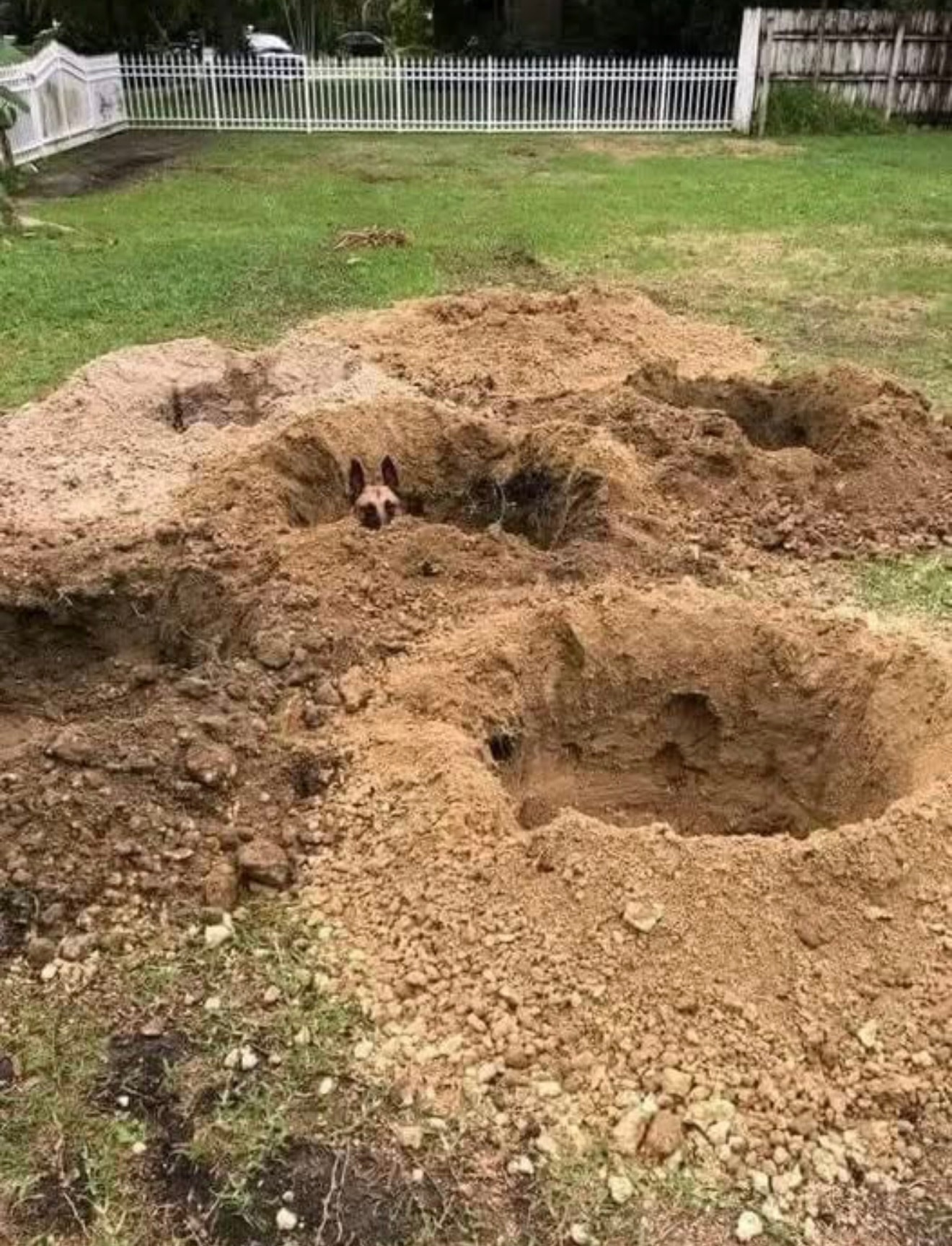
Your dog is not digging holes to be spiteful. They are doing it because digging works for them. It relieves boredom, burns off frustration, taps into prey drive, helps them cool down, or just feels rewarding enough to repeat. If you want it to stop, the fix is not yelling after you find a hole. The fix is stopping the rehearsal, meeting the need underneath it, and giving your dog a better job outside.
That is the part most people miss. By the time you find the crater, the reward already happened. Your dog had the fun, got the stimulation, maybe found cooler dirt, maybe chased a scent, and now the behavior is stronger.
Why does my dog keep digging in the yard?
Because the yard has become the place where your dog entertains themselves successfully. Dogs repeat what works, and digging often pays off fast.
A lot of digging starts with too much freedom and not enough supervision. The dog gets sent out alone, gets bored, feels some extra energy, notices a smell in the ground, or learns the dirt is cool underneath the surface. Then it becomes a pattern. I see this especially when a dog has a big yard and a lot of unsupervised time in it. More space often means more chances to practice the wrong habit.
Some dogs are also more likely to dig because of what they are. If you have a dog with strong prey drive or a breed that was selected for digging and seeking, that matters. It does not mean you are stuck with it forever, but it does mean your plan has to be realistic. If the dog has a natural urge to dig, you are not going to solve that by pretending the urge is not there.
Stress can feed it too. Repetitive digging can become a self-soothing behavior, the same way people tap a foot or click a pen when they are wound up. Once that pattern gets rehearsed enough, the dog starts to default to it.
What should I do when my dog starts digging?
Interrupt it early, calmly redirect it, and stop giving your dog chances to practice it unsupervised.
For a while, yard time needs to become supervised yard time. That is management, and management matters because dogs need structure at home before they can make better choices consistently. If your dog is a chronic digger, do not think of this as forever. Think of it as breaking a habit loop. A few days of not rehearsing the behavior can start to weaken the pattern.
If your dog digs even when you are out there, use a leash or long line so you can interrupt the behavior as it starts. Do not just say no and leave it there. Redirect the dog into something you do want, a check-in, a place, a game, a toy, or movement with you.
Then look at what your dog is missing. A random extra walk after the fact usually does not solve much. What helps more is structured exercise and mental work built into the day before the dog goes looking for their own outlet. That can mean food hunts, sniffing games, learning new skills, or play that actually engages the dog. If your dog does well with tug or fetch, I break that down more in How To Use Tug And Fetch For Dog Training.
For some dogs, it also helps to create an allowed digging spot instead of fighting the urge everywhere. A sandbox or clearly defined area can work well, especially if you hide something valuable just under the surface and teach the dog that this is the right place to dig. The boundary matters. It helps the dog understand, here yes, there no.
And when your dog goes outside and does not dig, reward that. Good choices count, even when they seem small. If your dog stands around, checks in, plays with the right item, or settles instead of excavating your lawn, that is worth reinforcing.
If you are not sure whether your bigger issue is boredom, structure, or follow-through, start by finding your training gap with the free quiz. If the digging has turned into a stubborn daily pattern and you want a plan for your specific dog and yard setup, booking a 1-on-1 consult is the fastest way to sort it out.
The biggest distinction I want owners to make is this. Digging is usually not a dog being bad. It is a dog solving a problem for themselves. Once you see it that way, the answer gets clearer. Do not argue with the hole. Change the system that keeps making the hole possible.